Report
Updated April 21, 2026
サイアフ2027 Open Talk Exploring the Possibilities of Moerenuma Park with Artists
March 7, 2026
Index
Event Report
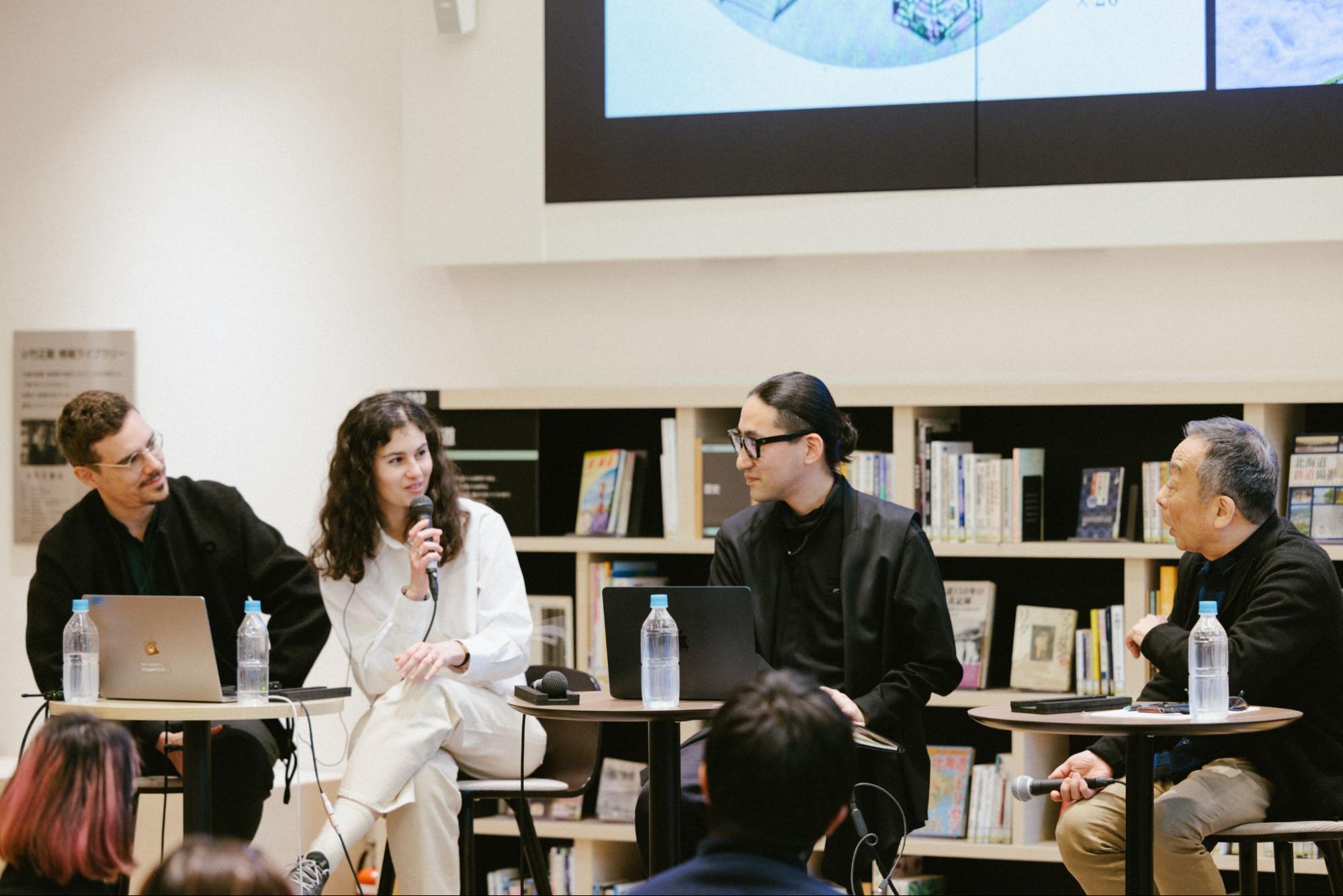
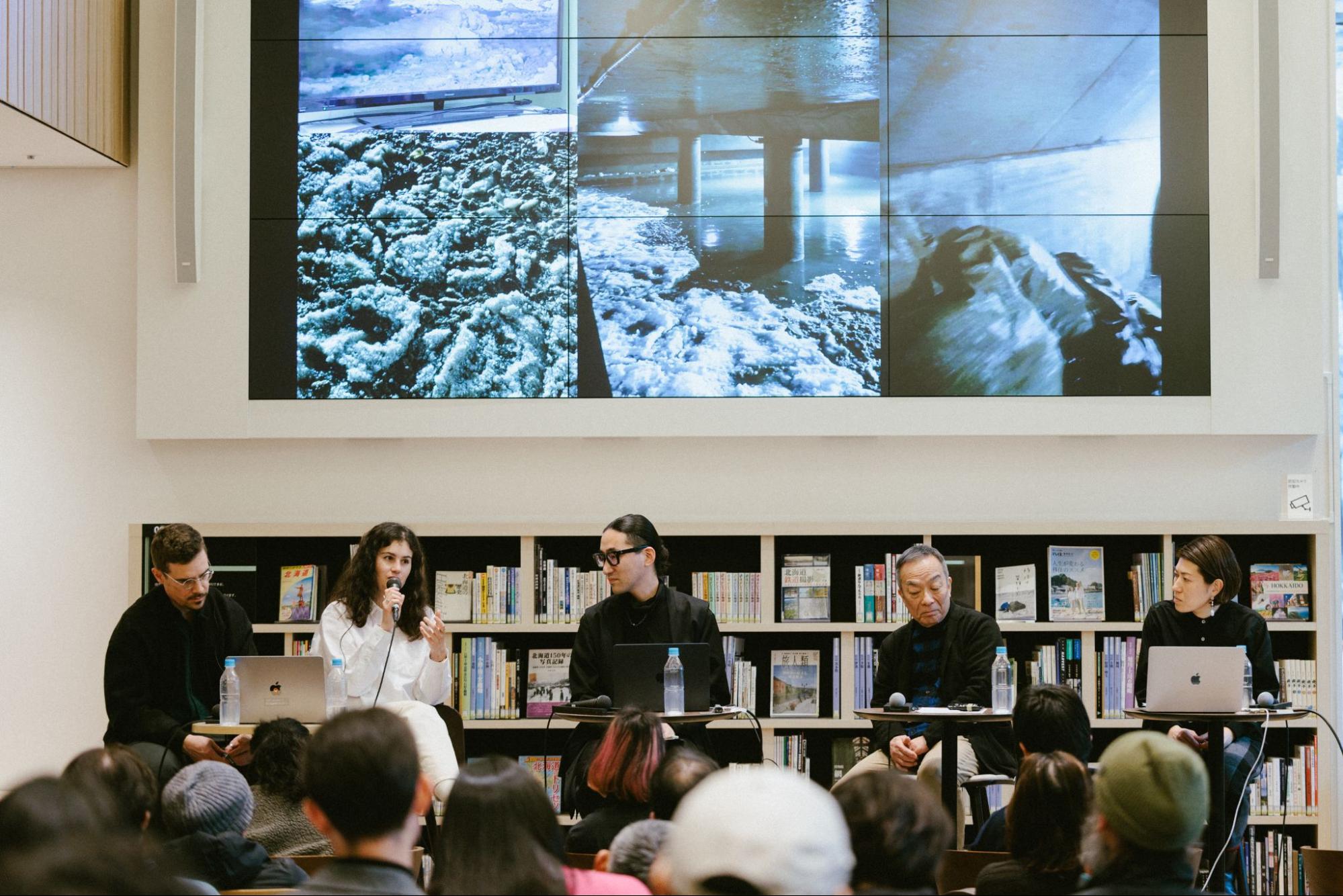
(From left) Marc DUBOIS, Laura NIEDER, NAKAZATO Yuima, FUJIHATA Masaki
On March 7 Sat, 2026, a talk event titled ‘サイアフ2027 Open Talk Exploring the Possibilities of Moerenuma Park with Artists’ was held at the first-floor salon of the Sapporo Municipal Library and Information Center. In anticipation of their upcoming exhibitions at Moerenuma Park in サイアフ2027, an open discussion was held featuring Marc DUBOIS and Laura NIEDER from fragmentin, NAKAZATO Yuima, and FUJIHATA Masaki Executive Director from Dialogue on Art and Technology DAT. The Switzerland-based media art collective fragmentin and fashion designer Nakazato will present their works at the Moerenuma Park venue as サイアフ2027 participating artists, while DATa new project dedicated to nurturing specialists in art and technologywill join サイアフ2027 as a サイアフ2027 Official Partner at the Moerenuma Park venue.
Moerenuma Park for Sapporo International Art Festival サイアフ
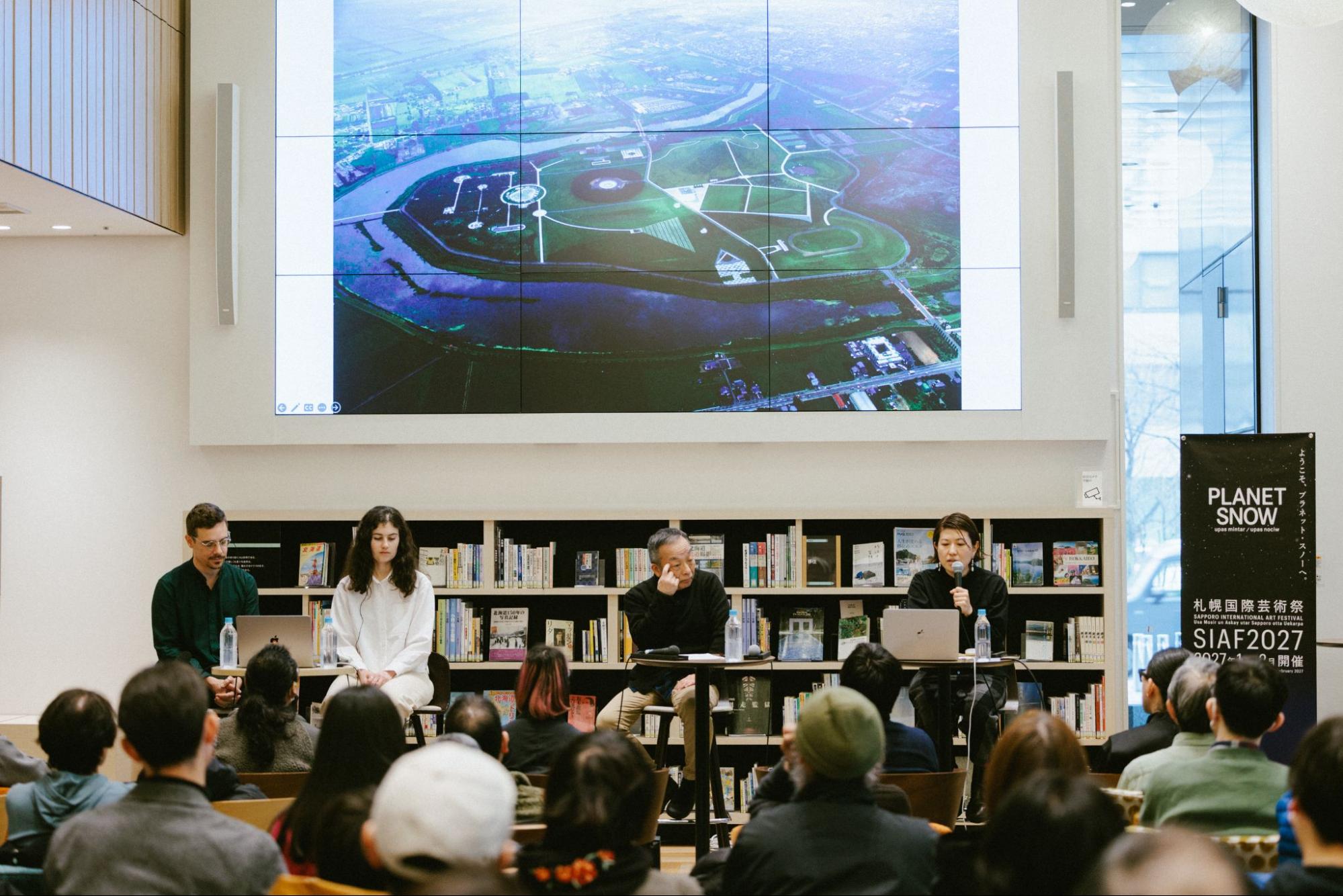
Beginning with an overview of サイアフ by Director Hosokawa, the session then moved on to the event theme, Moerenuma Park, which commenced construction in 1982 and opened in 2005. Sculptor Isamu NOGUCHI created the basic design based on the concept of “the whole being a single sculpture,” saying “it is my duty to create art that heals the earth of these scars left by humanity.” Through a series of photographs, the speakers and the audience reviewed the history of サイアフ and the site-specific artworks exhibited at Moerenuma Park since サイアフ’s inaugural edition in 2014, preparing for the following open discussion by サイアフ2027 participants.
▶Moerenuma Park Official Website
https://moerenumapark.jp/english/
Each presenter then shared their works and projects. After a short break, the event finally moved into the open discussion. Taking into account the specific regional characteristics of Sapporo and the sites history, fragmentin, Fujihata, and Nakazato discussed their conceptual processes and how they plan to develop their ideas into their respective projects for サイアフ2027. This report highlights key points from the discussion, specifically focusing on the segments related to the projects at Moerenuma Park.
Please watch the archived video of the entire session.
Exploring the Possibilities of Moerenuma Park with Artists
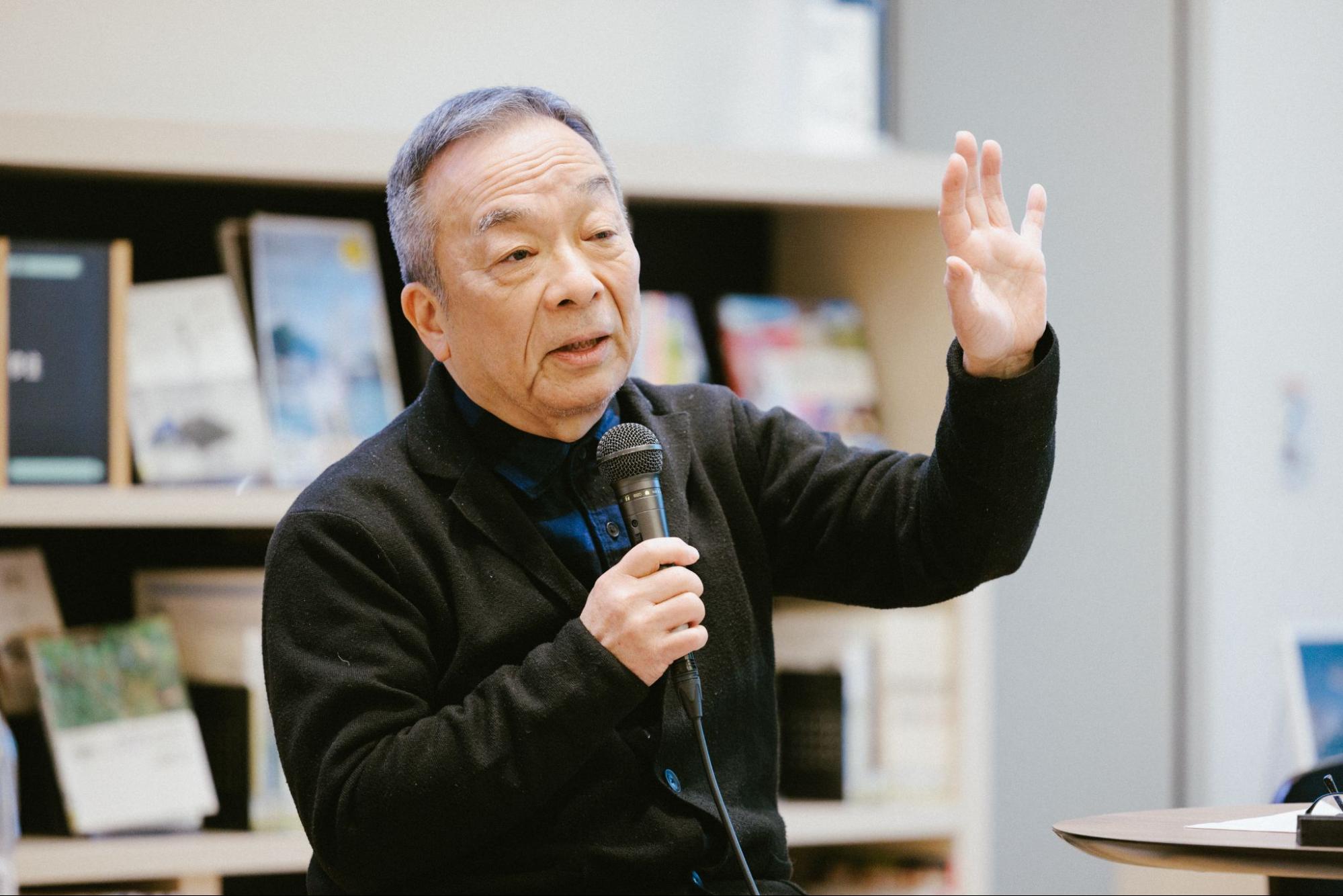
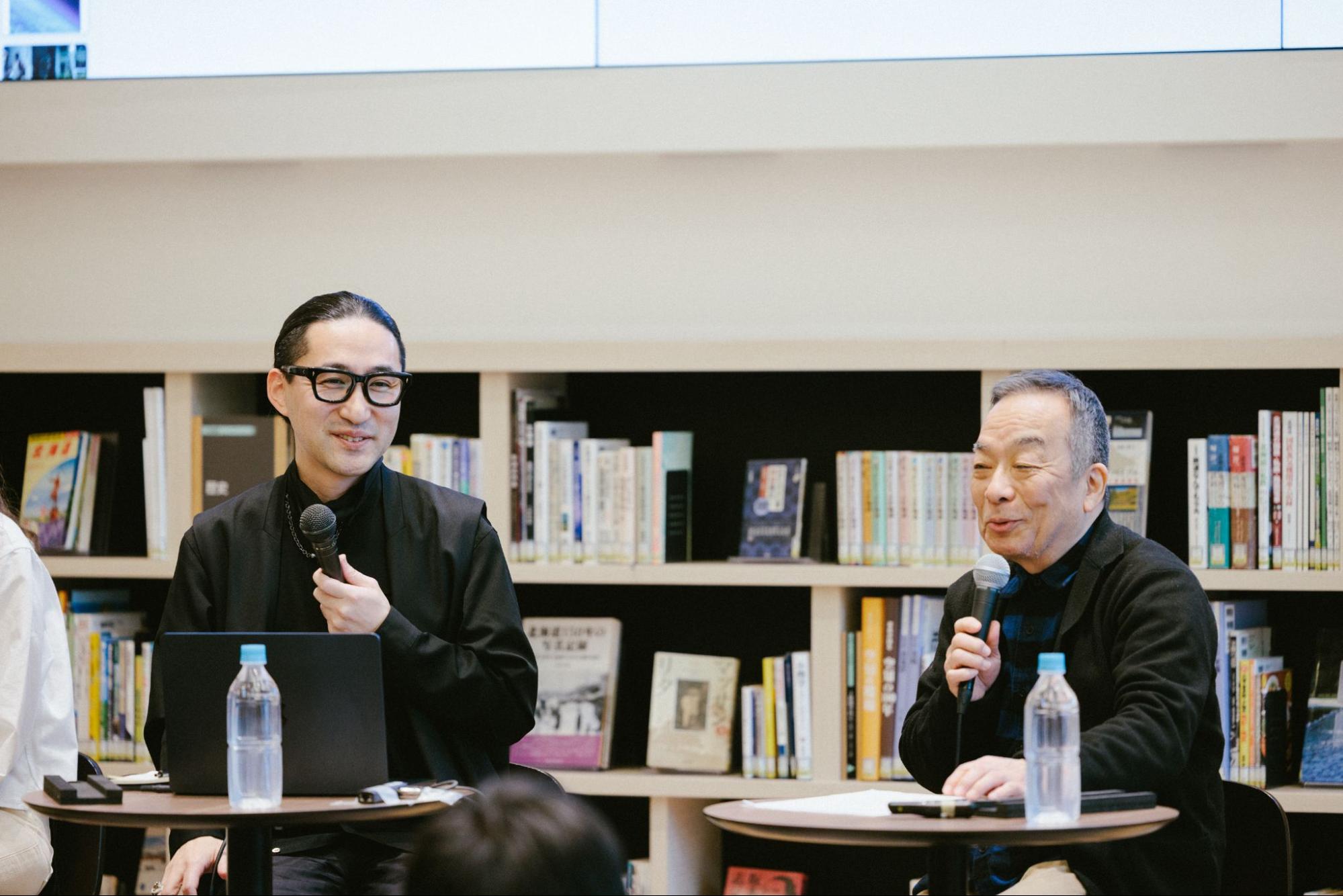
“Our project, ‘Dialogue on Art and Technology’ DAT, begins with a re-examination of the relationship between technology and art. The exhibition scheduled to take place at Moerenuma Park next year will be the projects public debut. Exploring this theme reopens the question of how we have confronted Western modernity. In this regard, the history of Sapporo’s modernization since the Meiji period is highly symbolic. I believe that the work of Isamu Noguchi, a quintessential modernist, will serve as a vital ‘lever’ in navigating these complex issues. Please look forward to seeing it unfold.” Fujihata

“As fashion design reflects the shifting values of each era, there is a possibility that our attire will undergo a complete transformation over the next 150 years. Exploring the future of what we clothe ourselves in is a compelling subject. The story of clothing began with human migration out of Africa as we moved into freezing climates, we adopted animal hides as a means of survival, marking the very first step in the history of fashion. I am currently exploring every possibility to ensure that this project in cold Sapporo becomes a meaningful platform for us to reimagine the future of attire together. It is incredibly intriguing that this park sits atop layers of reclaimed waste. To envision the next era of design in a location that has been transformed from a landfill into art feels profoundly significant.” Nakazato
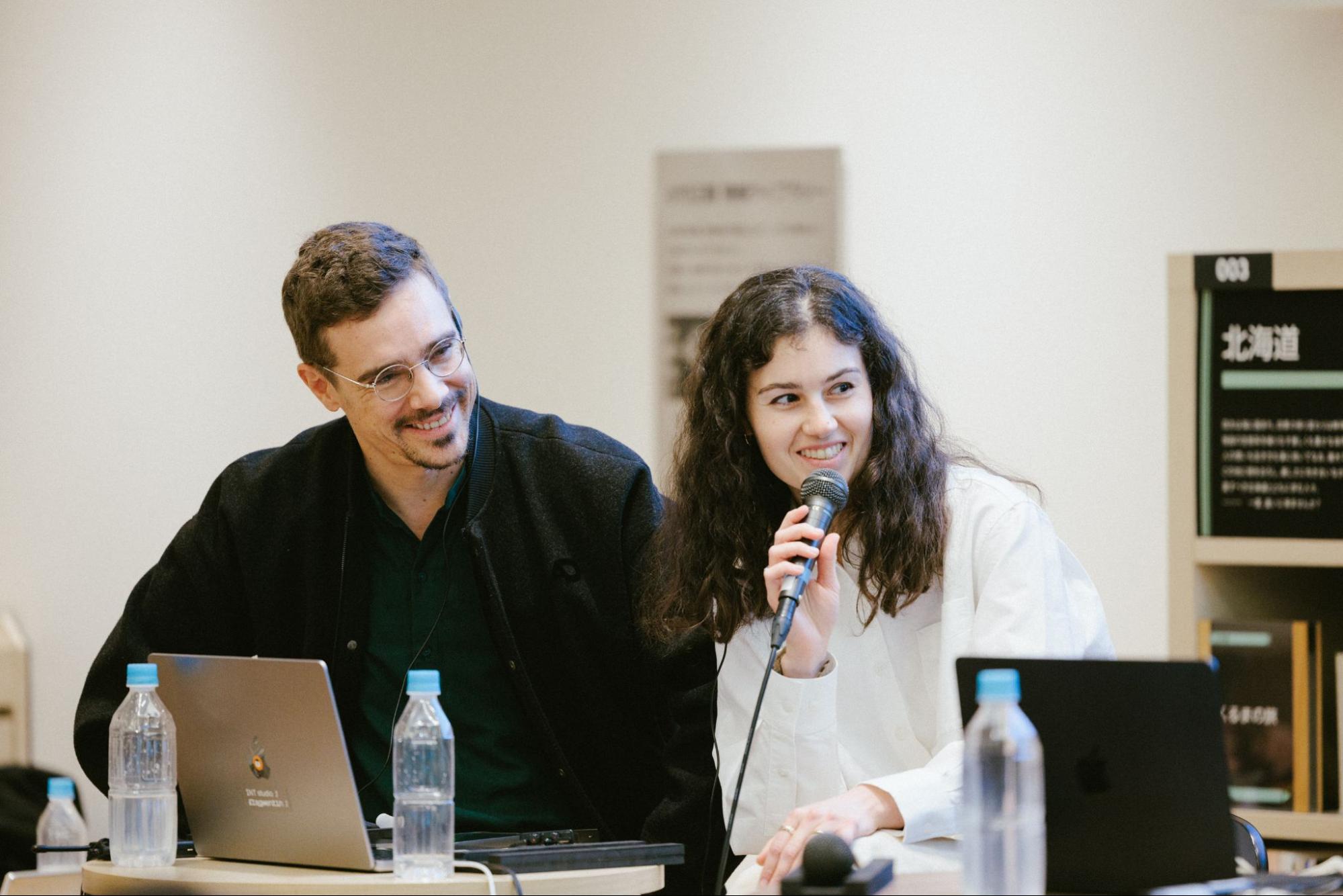
“After visiting the park in winter, we really liked how the snow is reshaping everything. Each angle becomes a bevel, each line becomes a smooth curve, and each cube becomes a small amount of snow. Snow seems to destroy barriersit creates new paths and connects disjointed areasand suddenly you can pass over a wall, thanks to the snow that is creating some bridges.” Dubois
“It is a hugely problematic topic on how to manage snow, so we wanted to see the infrastructure for managing snowfall. We visited this snow-melting pit in the center of Sapporo, and we think its especially interesting in Sapporo to not want this much snow and to have this complex solution to move it somewhere else. But also, in the summertime, you value it, and you use it for the cooling system. And this spacethis snow melting pitwe really like this inspiration from the movement of the snow floating on top of the water. We find that movement super beautiful and, actually, super strange. Also we really like the sound of the place. Nieder
“After discovering the work of NAKAYA Ukichiro, we started to think about the snowflake as something precious and uniqueWe visited his previous office in the Hokkaido University Museum and saw the machine he invented at the Sapporo Science Center. And this also changes the narrative of the snow. It makes the snow precious again because we are looking at a little quantity at a specific moment.” Dubois
“We also did some research on materiality because we like to get inspired by materiality from local places. Have you seen these black sands that you use to create a path to walk on the snow We want to consider it maybe as precious as one snowflake can be. Also, this black sand is a bit the opposite of snow in terms of colors. And when the snow melts, the only thing that is left over is this black sand,so it stays after the snow.” Nieder

“I love how fragmentin conducts a highly sophisticated analysis of infrastructurethose mundane, everyday systems that we often take for granted but which certainly exist. It’s amazing to see those hidden systems suddenly spring to life and become tangible, three-dimensional objects. It’s such an exciting approach. I remember being deeply moved when I saw fragmentins exhibition in Lausanne, Switzerland, before. I am very much looking forward to seeing what kind of critically engaged work will emerge from their research here in Sapporo.” Nakazato
“While our exhibition is held in parallel with サイアフ2027, we will be sharing the physical space with fragmentin and Nakazato. I have been eager to have this dialogue as early as possible, and I am delighted that it is finally happening. Over the next year, all three of us will begin to envision and materialize our respective works. I believe it is a truly rare and precious opportunity for the audience here to witness how these projects evolve and transform throughout this one-year journey. Following the Sapporo exhibition, DAT is scheduled to travel to New York. Please look forward to the further development of this project.” Fujihata
In Closing
The discussion was highly engaging, as the three internationally acclaimed speakers discovered numerous shared perspectives despite their diverse backgrounds. We are grateful to all the attendees for making this event a success. The talk event has been archived and can be viewed below. We encourage you to watch the full recording to experience the profound insights and dynamic dialogue from that day.
Event Overview
- Date Time
- Saturday, March 7 14時16時30分
- Venue
- 1F Salon, Sapporo Municipal Library and Information Center Inside Sapporo Community Plaza, Kita 1-jo Nishi 1-jo, Chuo-ku, Sapporo
- Speakers
- Marc DUBOIS fragmentin Laura NIEDER fragmentin FUJIHATA Masaki Media Artist / Executive Director of DAT NAKAZATO Yuima Fashion designer
- Moderator
- HOSOKAWA Asami サイアフ2027 Festival Director
Organized by Sapporo International Art Festival Executive Committee / City of Sapporo
In Cooperation with Embassy of Switzerland in Japan / Dialogue on Art and Technology DAT